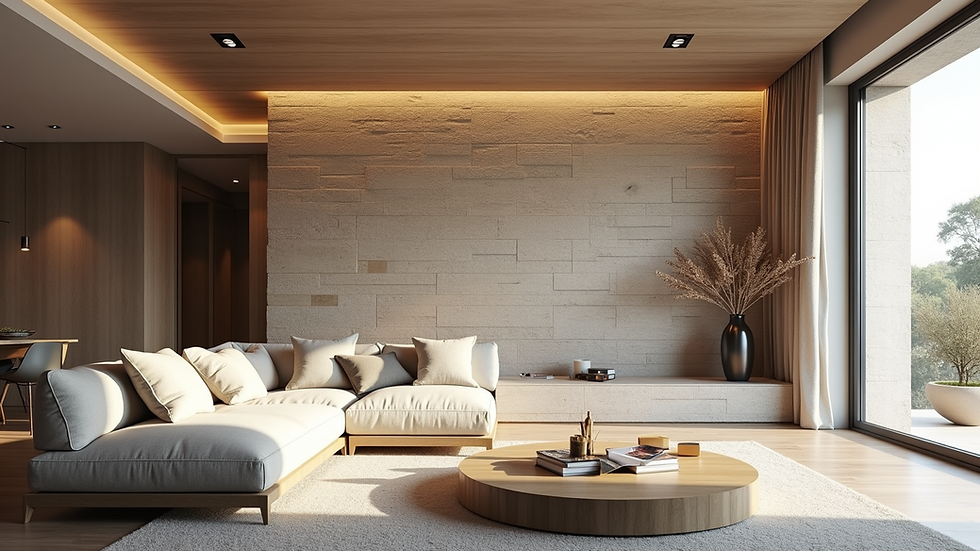
Exploring Stone Cladding Texture in Modern Design

Updated: Jan 5
Stone Cladding Texture: A Blend of Beauty and Functionality
Stone cladding texture has become a popular choice in modern design, offering a unique blend of natural beauty and practical advantages. Stone cladding gives any area personality and depth, whether it is applied to exterior walls, internal feature walls, or landscaping components. This article examines the unique qualities of stone cladding texture in modern architecture and design, emphasizing its visual attractiveness, robustness, and adaptability.

What Is Stone Cladding Texture?
Stone cladding involves applying layers of natural or manufactured stone to a surface, creating a textured finish that mimics solid stone construction. The texture refers to the surface feel and appearance of the stone, which can range from smooth and polished to rough and rugged. This texture plays a crucial role in how the cladding interacts with light, shadow, and the surrounding environment.
The texture can be achieved through different stone types such as slate, granite, limestone, or sandstone, each offering distinct patterns and finishes. The choice of texture affects the overall mood of the space, from sleek and modern to rustic and earthy.
Why Texture Matters in Stone Cladding
Texture adds a tactile and visual dimension that flat surfaces lack. Here are some reasons why texture is essential in stone cladding:
Visual Interest: Textured stone creates shadows and highlights that change throughout the day, making walls dynamic and engaging.
Natural Feel: Rough or uneven textures evoke a sense of nature and authenticity, connecting indoor and outdoor spaces.
Depth and Dimension: Texture breaks the monotony of flat walls, adding layers and complexity to design.
Enhanced Grip: For exterior applications, textured surfaces can improve resistance to slipping or weathering.
The texture of stone cladding can be subtle or pronounced, depending on the design goals. For example, a smooth honed finish suits minimalist interiors, while a chiseled or split-face texture complements rustic or industrial styles.
Benefits of Using Stone Cladding Texture in Modern Design
Stone cladding texture offers several benefits beyond aesthetics. These advantages make it a practical choice for architects, designers, and homeowners.
Natural stone is known for its strength and resistance to wear. When used as cladding, it protects the underlying structure from weather, moisture, and physical damage. Textured stone surfaces often hide minor scratches or stains better than smooth finishes, maintaining their appearance over time.
Stone cladding requires minimal upkeep compared to painted or synthetic surfaces. The texture helps mask dirt and imperfections, reducing the need for frequent cleaning. Occasional washing and sealing can keep the stone looking fresh for years.
Stone cladding adds an insulating layer to buildings, helping regulate indoor temperatures. The texture increases surface area, which can improve heat retention in colder climates or reflect sunlight in warmer areas, depending on the stone type and finish.
Stone cladding texture works well with various architectural styles, from traditional to contemporary. It can be combined with materials like wood, glass, or metal to create striking contrasts. Designers can choose from a wide range of textures to match the desired look and feel.
Using natural stone reduces reliance on synthetic materials and lowers environmental impact. Many stone cladding products come from sustainable quarries or recycled sources, making them a responsible option for green building projects.
Popular Types of Stone Cladding Textures
Different textures suit different design needs. Here are some common stone cladding textures and their typical uses:
Split Face: Rough, uneven surface created by splitting the stone. Ideal for rustic or natural looks.
Tumbled: Stones are aged and smoothed by tumbling, producing a weathered, antique appearance.
Honed: Smooth, matte finish with little to no shine. Suitable for modern, clean designs.
Polished: Highly reflective and smooth surface, often used indoors for a luxurious feel.
Chiseled: Hand-cut or machine-cut edges that create a rugged, textured surface.
Bush Hammered: Surface is pounded with a hammer to create a rough, pockmarked texture.
Each texture affects how light interacts with the stone and influences the overall atmosphere of the space.
How to Choose the Right Stone Cladding Texture
Selecting the right texture depends on several factors:
Location: Exterior walls may benefit from rougher textures for durability and grip, while interiors might favor smoother finishes.
Style: Match the texture to the architectural style. For example, split face suits rustic homes, while honed stone fits modern minimalism.
Maintenance: Consider how much upkeep you are willing to do. Rough textures can trap dirt but hide stains well.
Color and Pattern: Texture can enhance or soften the stone’s natural color and veining.
Budget: Some textures require more labor and cost more to install.
Consulting with a design professional can help balance these factors to achieve the best result.
Practical Applications of Stone Cladding Texture
Stone cladding texture is versatile and can be used in many ways:
Exterior Facades: Adds curb appeal and protects the building envelope.
Feature Walls: Creates focal points in living rooms, lobbies, or commercial spaces.
Fireplaces: Enhances the warmth and character of hearths.
Garden Walls and Landscaping: Blends built elements with natural surroundings.
Bathrooms and Kitchens: Provides durable, water-resistant surfaces with style.
For example, a textured stone wall behind a sofa can add depth and interest to a living room without overwhelming the space. In outdoor settings, textured stone cladding can complement plants and natural elements, creating a seamless transition between indoors and outdoors.
Installation Tips for Stone Cladding Texture
Proper installation is key to maximizing the benefits of stone cladding texture:
Surface Preparation: Ensure the wall is clean, dry, and structurally sound.
Use Quality Adhesives: Select adhesives suitable for the stone type and texture.
Allow for Expansion: Textured stone can expand and contract with temperature changes.
Seal the Stone: Apply sealants to protect against moisture and staining, especially for rough textures.
Professional Installation: Complex textures may require skilled installers to achieve a uniform look.
Following these steps helps prevent issues like cracking, detachment, or discoloration.
Caring for Stone Cladding Texture
Maintaining stone cladding texture involves:
Regular Cleaning: Use gentle brushes and mild detergents to remove dirt.
Avoid Harsh Chemicals: Acidic or abrasive cleaners can damage stone surfaces.
Inspect for Damage: Check for loose stones or cracks and repair promptly.
Reapply Sealant: Depending on exposure, reseal every few years to maintain protection.
Proper care preserves the texture’s beauty and extends the lifespan of the cladding.
The Timeless Appeal of Stone Cladding Texture
Stone cladding texture offers a powerful way to enhance modern design with natural beauty and practical benefits. Its variety of textures allows for creative expression while providing durability, low maintenance, and energy efficiency. Whether you want to create a striking exterior facade or a cozy interior feature wall, textured stone cladding can transform your space with timeless appeal.
FAQs
Exterior stone cladding entails adding a layer of natural stone to the outer walls of buildings. This process enhances the visual appeal, offers weather resistance, and improves insulation. Furthermore, it provides durability and requires minimal upkeep, ensuring long-lasting protection.
What are the advantages of exterior stone cladding?
Exterior stone cladding boosts curb appeal, offers weather resistance, and enhances thermal insulation. It is robust, requires minimal maintenance, and is environmentally friendly, providing lasting defense against severe weather while boosting the property's overall value.
What types of stone are commonly used for cladding?
Sandstone, granite, marble, slate, and limestone are frequently used stones for exterior cladding. They each provide unique textures and colors, offering a range of design possibilities. Granite and limestone are particularly favored for their durability and ability to withstand weathering.
How do I maintain exterior stone cladding?
Keeping exterior stone cladding in good condition is straightforward. Clean it regularly using water and mild soap. For more stubborn stains, opt for a non-abrasive cleaner. Reseal the stone every few years to ensure it remains protected from moisture and avoids discoloration.
Is exterior stone cladding suitable for all climates?
Indeed, exterior stone cladding is appropriate for any climate. Stones such as granite and sandstone are highly durable, capable of withstanding temperature changes, moisture, and UV exposure. Their inherent insulating qualities make them suitable for both warm and cold environments.
Is stone cladding a cost-effective option?
While stone cladding may be pricier compared to other materials, its longevity, minimal upkeep, and classic charm make it a valuable investment. The expense is justified by its extended durability and the visual enhancement it provides to a structure.
How do I select the right stone texture?
Selecting the appropriate texture is influenced by your design goals. Polished finishes create a contemporary appearance, whereas rough or split-faced textures give a rustic feel. Take into account the building’s architecture, climate, and the aesthetic you aim to achieve when choosing your stone.