
Natural Stone Cladding for Interior Walls - A Comprehensive Guide to Indian Houses

Updated: Mar 13
Natural Stone Cladding: Transform Your Interiors with Timeless Elegance
Natural stone cladding offers a unique way to add texture, warmth, and character to interior walls. Unlike paint or wallpaper, stone cladding brings a timeless, organic feel that can transform any room into a striking space. It adds classic elegance to your interiors.
Natural stone wall cladding is one of the best choices if you want to improve the aesthetics, longevity, and worth of your house. In India, stone wall cladding is quickly gaining popularity among architects and homeowners. Whether in traditional or modern Indian architecture, stone wall cladding will always be in vogue.
At Stone Ideas India, we have a large selection of stone cladding tiles that can give architectural flair to your home's exterior walls. Let's examine some of the best stone cladding ideas for contemporary home exteriors and why it's such a wise investment. This guide explores everything you need to know about natural stone cladding for interior walls, from types and installation to maintenance and design ideas.

What Is Natural Stone Cladding for Walls?
Natural stone cladding involves attaching thin layers of natural stone to walls to produce an attractive and protective surface. These stones are cut from larger blocks and shaped into tiles or panels. The cladding acts as a decorative and protective layer, enhancing the wall's appearance while adding durability, known as wall stone cladding. Stone layers can be affixed to brick, concrete, or even wood. Compared to precast concrete, brick, or dressed stone, stone cladding is much simpler to deal with.
Stone cladding differs from solid stone walls because it is thinner and lighter, making it easier to install indoors. It can be applied to various surfaces, including drywall, concrete, and brick.
Popular Types of Natural Stone for Interior Cladding
Choosing the right stone depends on your style, budget, and the room’s function. Stone cladding ideas may be tailored to fit your architectural style, whether rustic, modern, or traditional, using sandstone, slate, limestone, or travertine. Natural stone cladding not only protects your house from inclement weather but also improves its appearance. Here are some common natural stones used for interior cladding:
Slate
Slate offers a smooth, layered texture with dark, earthy tones. It works well in modern and rustic interiors, especially in kitchens and bathrooms due to its water resistance.
Marble
Known for its elegant veining and polished finish, marble adds luxury to any space. It suits living rooms, hallways, and bathrooms but requires sealing to prevent stains.
Limestone
Limestone has a soft, matte surface with neutral colors like beige and cream. It creates a warm, inviting atmosphere and fits well in traditional or Mediterranean-style interiors.
Sandstone
Sandstone features a grainy texture and warm hues ranging from yellow to red. It is durable and ideal for accent walls or fireplaces.
Granite
Granite is hard and dense with a speckled appearance. It is highly durable and resistant to scratches, making it suitable for high-traffic areas.
Click Here for All types of Stone cladding patterns
Advantages of Incorporating Natural Stone Cladding in Home Interiors
Natural stone cladding offers several advantages beyond its aesthetic appeal. Beyond appearances, there are additional benefits to using natural stone cladding. There is no denying natural stone's resilience. It will never peel, discolor, or crack. Natural stone cladding only needs occasional cleaning, making it incredibly low maintenance. Its beauty never goes out of style. Natural stone will increase the curb appeal and value of your house. In addition to being energy-efficient, natural stone naturally cools your house in the summer and warms it in the winter.
Durability
Natural stone cladding is an extremely durable wall covering option, recognized for its resistance to wear, scratches, and moisture. This natural material not only offers aesthetic appeal but also ensures longevity, making it a practical choice for various architectural applications.
Thermal Regulation
Stone is an effective material for regulating indoor temperature due to its ability to absorb and slowly release heat. This characteristic helps maintain a comfortable environment within buildings and enhances energy efficiency by minimizing the reliance on heating and cooling systems. The thermal mass of stone allows it to store heat during warmer periods and release it when temperatures drop, thus contributing to overall energy savings and environmental sustainability.
Sound Insulation
The density of stone reduces noise transmission, improving room acoustics. The density of stone serves a significant role in reducing noise transmission, which in turn enhances the acoustics of a room. By absorbing sound waves, dense stone materials mitigate the propagation of noise, resulting in a more favorable auditory environment.
Low Maintenance
With proper sealing, stone walls require minimal upkeep and resist stains and dirt. Natural stone cladding tiles will never deteriorate, flake, or fade like paint or plastered surfaces, allowing you to appreciate the beauty and longevity of your house. To maintain its fresh appearance, natural stone cladding has to be cleaned with water on occasion.
Unique Appearance
Each stone piece has natural variations, ensuring a one-of-a-kind look. Any construction is made elegant and luxurious with natural stone cladding. Every stone is unique. Every stone has a different pattern, color, and texture. Your house might not seem the same as another that was constructed with natural stone on the inside.
How to Choose the Right Stone Cladding for Your Interior Walls
Selecting the right stone involves considering several factors:
Room Function
For wet areas like bathrooms, choose water-resistant stones such as slate or granite. For living spaces, marble or limestone can add elegance.
Style and Color
Match the stone’s color and texture with your existing décor. Warm tones create cozy spaces, while cool tones offer a modern feel.
Budget
Some stones like marble and granite are more expensive. Slate and sandstone provide affordable alternatives without sacrificing beauty.
Installation Surface
Ensure the wall can support the stone’s weight. Some stones require reinforced backing or special adhesives.
Stone Cladding Ideas for Modern Home Interiors
Stone cladding is a popular choice for modern home interiors due to its natural aesthetic appeal, durability, and versatile design options. This material can transform spaces by adding texture and character, making it suitable for both contemporary and traditional settings. Key ideas for incorporating stone cladding into home interiors include accent walls, fireplaces, and feature areas that draw the eye and create focal points in rooms.
1. Living Room: The Statement Wall
The living room is the most popular place for stone cladding, often used to anchor the room's design.
2. Bedroom: Serene Textures
In the bedroom, stone should feel grounding and calm.
3. Kitchen & Dining: Practical Luxury
Stone is naturally heat-resistant and durable, making it ideal for culinary spaces.
Creating a sense of arrival starts with high-impact textures that set the tone for the rest of the home.
In expansive vertical spaces, the goal is to break up the "blank" wall while maintaining a sense of monumental scale.
This transitional area is the perfect canvas for "grazing" lights that highlight the tactile ridges of the stone.
For a space dedicated to peace and prayer, the stone should feel pure, luminous, and emotionally grounding.
Since courtyards bridge the gap between interior and nature, the stone should feel raw and weather-worn.
The modern accent wall serves as a focal point that defines the character of a specific living or dining zone.
Stone adds warmth and texture around fireplaces, enhancing the cozy atmosphere.

Kitchen Platform in natural stone 
Staircase stone wall design 
stone cladding for living room wall decor 
courtyard Stone wall cladding 
Entrance stone wall cladding 
Kitchen backsplash stone cladding inspiration 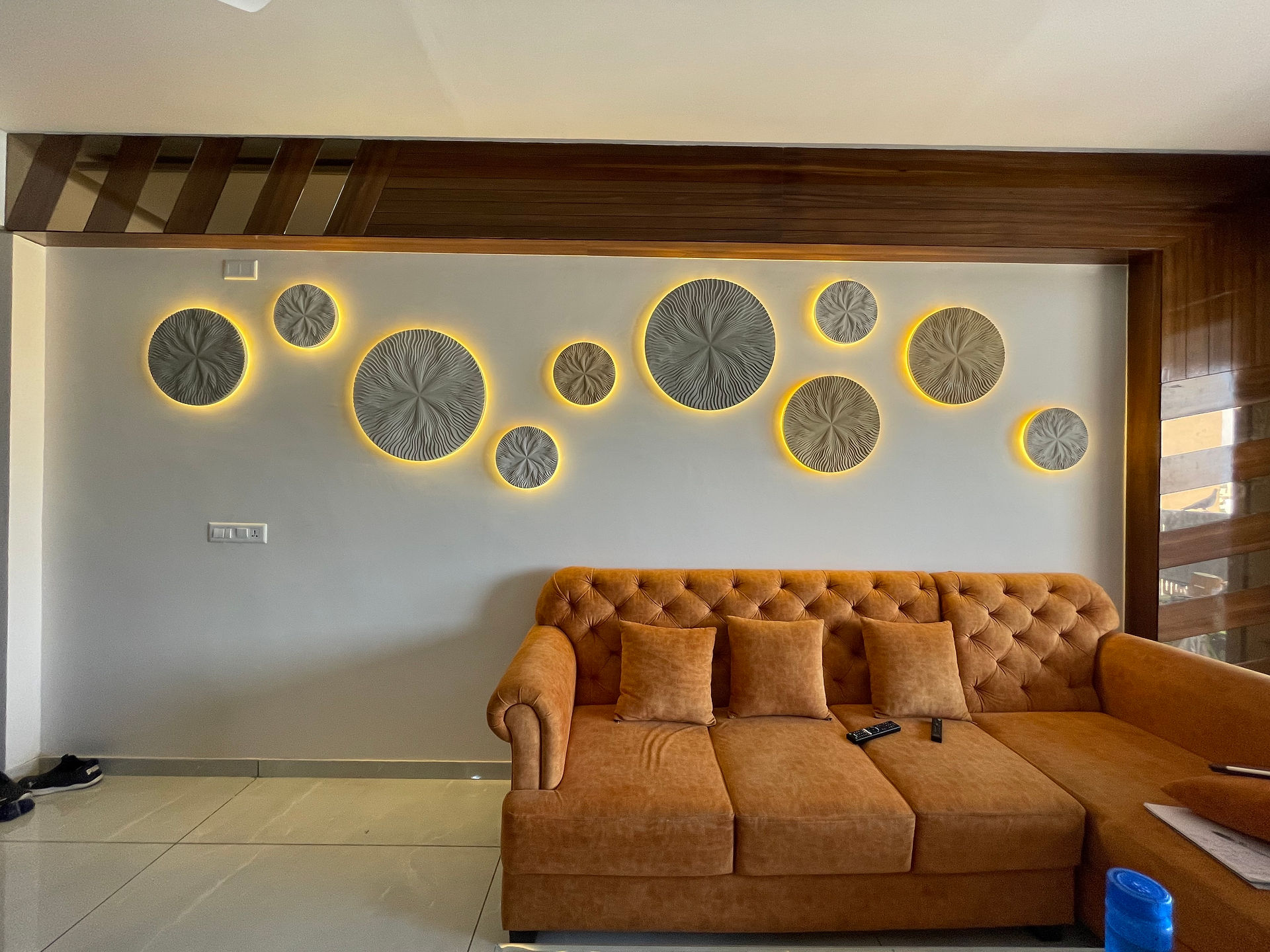
Living room wall decor 
Accent stone wall design 
Dining room stone wall 
Stone cladding for staircase wall 
Double height wall design 
Stone cladding for pooja room
Installation Process Of Stone Cladding On Walls
Installing natural stone cladding requires careful preparation and skill. Here’s a simplified overview:
Surface Preparation
Clean and smooth the wall. Repair any cracks or holes. For drywall, consider adding cement board for extra support.
Layout Planning
Arrange stone pieces on the floor to plan the pattern and minimize cuts.
Applying Adhesive
Use a high-quality stone adhesive or mortar. Apply evenly with a notched trowel.
Fixing the Stone
Press each stone piece firmly onto the wall. Use spacers if needed for grout lines.
Grouting (Optional)
Fill gaps between stones with grout for a finished look. Some prefer a dry-stacked style without grout.
Sealing
Apply a stone sealer to protect against stains and moisture.
Professional installation is recommended for large projects or complex patterns to ensure safety and durability.
Caring for Natural Stone Cladding
Proper care extends the life and beauty of stone walls:
Regular Dusting
Use a soft cloth or brush to remove dust and debris.
Cleaning
Clean with mild soap and water. Avoid acidic or abrasive cleaners that can damage the stone.
Sealing
Reapply sealer every 1-3 years depending on stone type and exposure.
Repairing Chips or Cracks
Small damages can be fixed with stone repair kits or professional help.
Design Tips for Modern Success
Lighting is Key: Stone is all about texture. Use grazing light (recessed LEDs in the ceiling or floor) to cast shadows that highlight the stone's natural ridges.
Keep it Focused: Don't clad every wall. Stone is heavy (visually and physically); it works best when limited to one "hero" wall or a specific architectural feature.
Consider Maintenance: In "wet" areas like bathrooms or kitchens, ensure the stone is professionally sealed to prevent water spots or grease stains.
Common Challenges and How to Avoid Them
Natural stone cladding has some challenges to keep in mind:
Weight
Stone can be heavy. Confirm wall strength and use proper anchors.
Cost
Natural stone is more expensive than synthetic alternatives. Budget accordingly.
Installation Time
Stone installation takes longer than painting or wallpapering.
Moisture Issues
Without proper sealing, stone can absorb moisture and stain.
Planning carefully and hiring experienced installers can prevent these problems.
Frequently Asked Questions (FAQs) About Stone Cladding for Interior Walls
1. Is stone cladding suitable for small rooms, or will it make the space feel cramped?
It is highly suitable if you choose light-colored stones like beige limestone or white quartzite and use large-format slabs to minimize grout lines, which creates a seamless, more spacious feel.
2. Does interior stone cladding require high maintenance?
No, it is relatively low-maintenance; a simple routine of dry dusting and occasional wiping with a pH-neutral cleaner is enough, though we recommend professional sealing every 2–3 years to prevent stains.
3. Can stone cladding be installed on existing brick or plywood walls?
Yes, but the surface must be structurally sound; for plywood, a cement board or "backer board" is typically required to ensure the stone adhesive bonds correctly and handles the weight.
4. Does stone cladding provide any functional benefits beyond aesthetics?
Absolutely, stone acts as a natural thermal insulator that keeps rooms cooler in summer and warmer in winter, while its density significantly improves the room's acoustic properties by reducing echoes.
5. Is stone cladding safe for double-height walls?
It is safe when using "mechanical cladding" or "dry cladding" systems, where metal clamps and anchors are used instead of just adhesive to securely bolt heavy stones to the structural wall.
6. Will the color of the stone fade over time?
Natural stone is incredibly durable and UV-resistant; while some stones like marble might lose their "shine" over decades, the core color remains vibrant, and a simple repolishing can bring back its original luster.

